Open Letter for Momsie

Momsieeeee ❤️‍🩹

Every soul needs nurturing, not only by loving ourselves but by loving one another. I learned this through you.

When I needed a lift, you were there. When my heart needed rebuke, you gave it. And when my ‘ancoreny’ jokes needed someone to laugh with, you were there, too.

I am still in disbelief, grieving your passing. If love was about keeping score, I’d like to think that I was there for you as much as you were for me. I loved you deeply, even when I failed to show up in many occasions. Praise God, ours was a relationship built on grace and mutual support but Momsie, you win. 

I remember that morning you called me to ask about our wedding cake. In your signature gentle voice, you asked, “Kumusta ka?” “Okay naman Momsie, why?” was my reply.

You didn’t know what I had gone through the previous night—how I tried several times to place an order online but went to bed tired and frustrated. So when you said, “I want to give you a cake,” my heart literally leapt for joy. That call was an unexpected blessing, a reflection of the selfless love you always showed, a tangible proof of God’s providence.

I remember tagging along in one of your visits to the grocery. I was amazed that you didn’t have a list but you didn’t go beyond the budget. You were Holy Spirit-led even in the grocery store.

You showed me a love that never judged nor condemned, a love that gently corrected me and embraced me unconditionally.

Remember our time together at the Araneta Coliseum for the “Just Give Me Jesus” event? We were seated near the bleachers and there you joyfully shared that you no longer practiced your old religion. Your courage inspired me, big time.

Our conversations often centered on how we could further God’s kingdom with the resources He has already given, trusting that He would multiply our efforts.
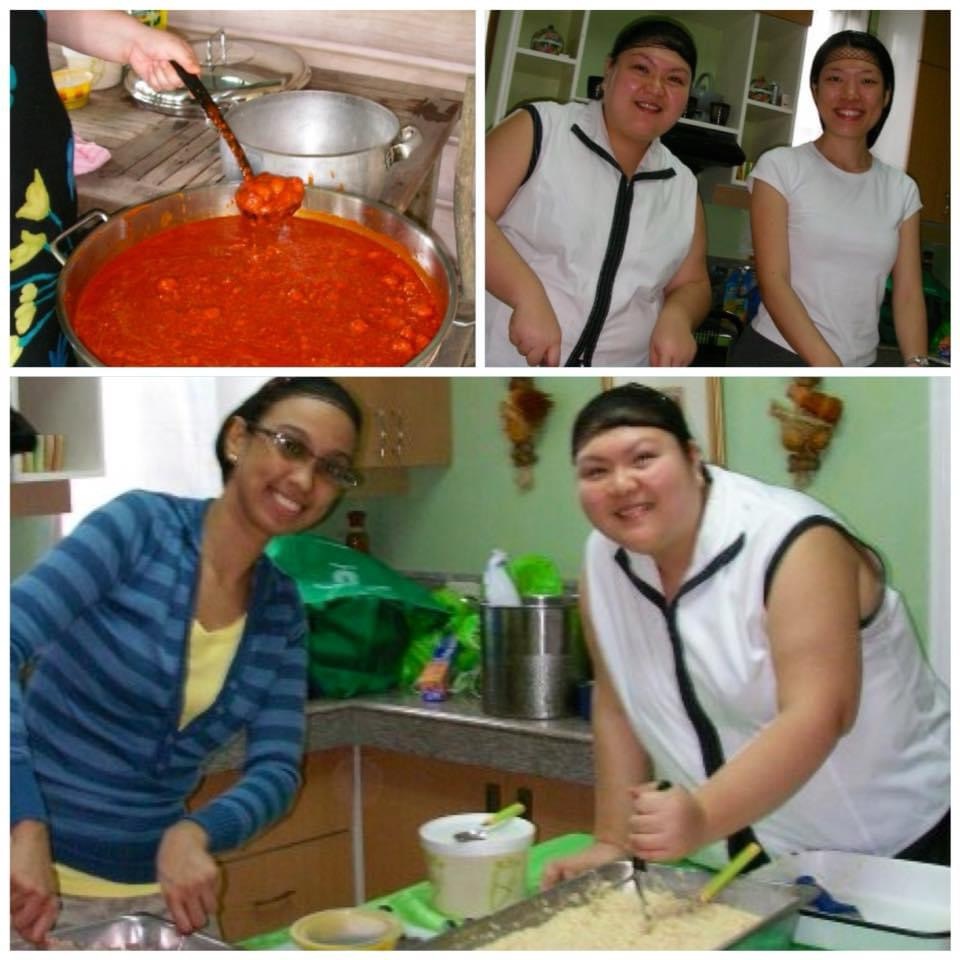
I also remember the first time I saw tears in your eyes as you lamented the selfishness of this world. It was a powerful, tenderhearted moment that showed how deeply you cared for others.

You patiently guided and coached me to tread gracefully, to let go of my fears, and to learn to trust.

Listening to you courageously and honestly share your life has been a source of deep learning for me. Application is always the difficult part, yet as we have learned and experienced in uniquely personal ways, God never abandons us to figure things out on our own. He graciously walks alongside us, pouring out His love and embracing us in His truth and presence day by day, moment by moment. 

Momsie, if life was a computer game, I lost a huge percentage of my life bars now that you’re fully asleep. I am power-less without you. I know you’ll rebuke me for that and point me back to who our Source is. 

“Now, brothers, we want you to know the truth about those who have died; otherwise, you might become sad the way other people do who have nothing to hope for. For since we believe that Yeshua died and rose again, we also believe that in the same way God, through Yeshua, will take with him those who have died.” 1 Thessalonians (1 Th)‬ ‭4‬:‭13‬-‭14‬ ‭CJB‬‬

“Mga kapatid, nais naming malaman ninyo ang katotohanan tungkol sa mga namatay na upang hindi kayo magdalamhati tulad ng mga taong walang pag-asa. Dahil naniniwala tayong si Jesus ay namatay at muling nabuhay, naniniwala din tayong bubuhayin ng Diyos upang isama kay Jesus ang lahat ng mga namatay na sumasampalataya sa kanya.” 1 Mga Taga-Tesalonica‬ ‭4‬:‭13‬-‭14‬ ‭MBBTAG12‬‬

In the movie Gladiator, Maximus is speaking to a fellow prisoner who asks him about his family. 

Fellow Prisoner: What will you do?
Maximus: I will have my vengeance, in this life or the next.
Fellow Prisoner: You have a family?
Maximus: I had a family.
Fellow Prisoner: Do you think you’ll see them again?
Maximus: Not yet.

Maximus expresses his longing for his wife and son, who were killed. The fellow prisoner urges him to let go of his grief, but Maximus, reflecting on his loved ones, firmly replies:

“I will have my vengeance, in this life or the next.”

As he grapples with his grief and the purpose behind his fight, he envisions his family and reaffirms his commitment to live and seek vengeance for them. The emotional weight of his memories leads him to remind himself, “Not yet,” signifying that he still has work to do before he can be with them again.

Such moment captures the deep sense of loss Maximus feels and his determination to honor his loved ones by continuing to fight.

Momsie, though your death calls for no vengeance, Maximus’ grief resounds deeply in me. Wala na ang nag-iisa kong Momsie whom I loved and trusted dearly. God, our Heavenly King, has taken you back Home. Grief is hard but I will choose to press on, keeping my eyes on Jesus, the Author and Perfecter of our faith. I believe this is what you would have me do. 

Sabi ni little Kuya Hope, “Don’t worry about your best girl, when your mission is done you will hug her again in Heaven.”
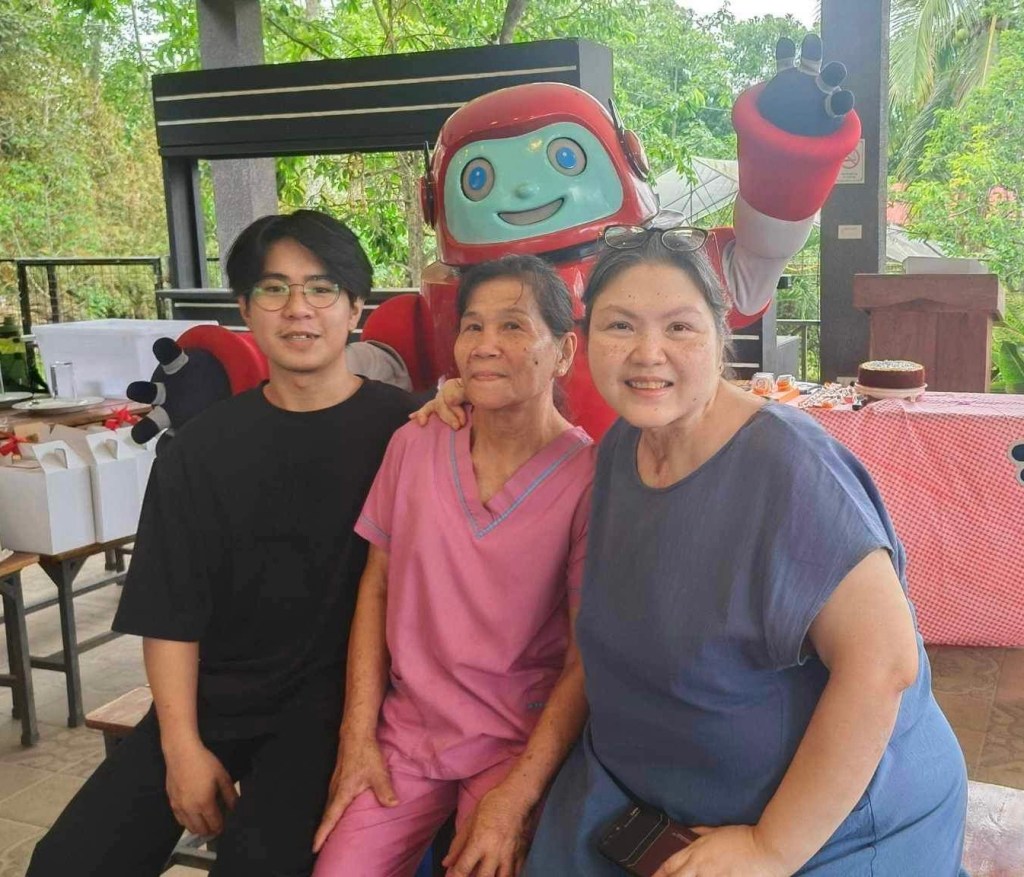

Momsie, I will never forget you. I will miss you. Thank you for all the warm hugs and all the prayers you uttered on our behalf. Thank you soooo much for being the mom our souls needed. We’ll see each other in the next, but Lord-willing, not yet.

Preparing the Child for the Path: Practical Steps

Homeschooling has transformed significantly over the years, shifting from a rare choice in the 1980s—when only about 10,000 to 20,000 families participated*—into a mainstream educational option today, with over 3.7 million students homeschooled in the U.S. as of 2021. The pandemic accelerated this trend, prompting many parents to take education into their own hands and embrace the flexibility and personalized learning that homeschooling offers. If you’re considering this shift for your family, know you’re not alone—more and more parents are discovering that homeschooling can be a meaningful path for their children’s education and future.

As a homeschooling mom, I often think about my role in preparing my child for life. It’s not about making his path easier but equipping him to walk it confidently and with faith.

When we attended the Counterflow Family Conference last September, this nugget of practical wisdom stuck with me: “Prepare the child for the path, not the path for the child.” In a Biblical sense, that’s Proverbs 22:6: “Train up a child in the way he should go, and when he is old, he will not depart from it.”

I don’t have everything figured out, but I’m learning that less is more. To keep things simple, I’ll use the acronym PATH. It serves as a quick reminder of pursuing what really matters each day. I thought I’d share it with you.

P – Pray and Practice

Prayer has been such a grounding part of my homeschool routine. I’m learning that starting the day with prayer, asking for God’s guidance in our learning, makes a big difference in how the day unfolds. I usually pray in the quietness of my heart but also pray out loud. I encourage my son to tell God everything and to listen to Him thru reading the Bible.

And when it comes to practice, I’ve realized that my child watches how I handle things more than he listens to what I say. It’s a humbling thought, but when I try to show patience or kindness—even when I’m frustrated—I notice it slowly shaping his responses. I don’t always get it right, but I’ve learned that practicing the virtues we want to teach speaks volumes.

A – Allow Growth

One of the hardest things for me is stepping back and letting my son figure things out on his own sometimes. My instinct is to fix problems or make things easier, but I’ve learned that allowing him to face challenges is so important. It’s not about throwing him into the deep end, but rather letting him struggle with something long enough to build resilience.

Whether it’s a difficult drawing or an emotional challenge, I’m trying to remind myself that each struggle is an opportunity for growth. By letting him face these little obstacles now, I’m hoping he’ll be better prepared for the bigger ones down the road.

T – Teach with Purpose

This has been a big one for me lately—especially as we’re working through our homeschool curriculum. I’m realizing that it’s not just about teaching facts or checking boxes. I want my son to understand why what he’s learning matters, to learn how to learn and to think about what he thinks. I’ve been trying to connect lessons to real life, whether that’s talking about how numbers apply to everyday decisions or how history shows us God’s faithfulness through time.

In our Classical Conversations work, I’m finding opportunities to link our memory work to conversations about our faith and values. It helps remind me (and him) that everything we’re learning fits into God’s bigger picture.

H – Hold to Values

Homeschooling has given me a unique opportunity to weave our family’s values into our daily life. I’m trying to make space for conversations about honesty, kindness, and responsibility, not just when there’s an issue, but in everyday situations. Sometimes it’s as simple as asking how Jesus might respond in a particular scenario or how he can show kindness to a friend.

This grounding in values will serve as the compass he needs when he faces difficult choices in life. It’s more than an academic education—it’s preparation for the road of life, with all its moral and ethical challenges.

Final Thoughts

As we homeschool, let’s remember that we are not just teaching our children to excel in their studies—we are equipping them to navigate life with the tools, values, and faith they need to succeed. The PATH—Pray and Practice, Allow Growth, Teach with Purpose, and Hold to Values—reminds us that it’s so much more than academics. It’s about preparing them to walk confidently in the path that God has set before them.

Trust in the Lord’s guidance as you walk alongside your child, and remember: while the journey may not always be easy, it’s one filled with opportunities for growth, both for them and for you.

Happy learning!


*For more homeschooling data, here are three reputable websites:

1. National Home Education Research Institute (NHERI):

A leading organization dedicated to researching and promoting homeschooling, providing comprehensive studies and data.

2. National Center for Education Statistics (NCES):

The primary federal entity for collecting and analyzing educational data in the U.S., known for its reliable statistics and rigorous research methodology.

3. Pew Research Center:

A nonpartisan organization that conducts in-depth social research, providing valuable insights into trends, including the impact of the pandemic on homeschooling.

In the Philippines, the following sources can help you find relevant data, guidelines, and community support:

1. Department of Education (DepEd):

The official government body overseeing education in the Philippines, DepEd provides guidelines, policies, and statistics on alternative learning systems, including homeschooling. Their website offers resources for parents interested in homeschooling.

2. Homeschool Association of the Philippine Islands (HAPI):

HAPI is a nonprofit organization that supports homeschooling families in the Philippines. They provide resources, training, and a community for homeschooling parents, as well as information on the legal framework and best practices in homeschooling.

3. Philippine Homeschoolers Association (PHA):

PHA is a community-driven organization that offers support and resources for homeschooling families. They provide information on homeschooling laws, networking opportunities, and educational materials to help parents navigate the homeschooling journey.

What do I know?

How do you keep your rational or thinking brain more active than your emotional brain? It’s a question I find myself pondering often, especially as I navigate the world of homeschooling and holistic growth.

As new parents in Classical Conversations, my husband and I are on a journey to raise our son in the classical way, fostering his love for learning in a supportive community. We aim to build Godly character and cultivate our son’s musical interests while building a strong foundation in history, math, science, arts, geography, and languages.

As an emotional, process-driven person, I often grapple with people-pleasing tendencies and the desire to fit in. It’s a struggle to consciously allow my rational thoughts to override my emotions.

A Bit of Clean Humor

My husband and I have come to a sort of agreement about ourselves: we’re kind of “misfits.” I like to think of us as knights-in-being-polished-armors. We feel comfortable being ‘commoners,’ and we don’t blend in with the royalty. Somehow, there were times we found ourselves unfit to fit in even among misfits. (Crickets chirping.)

But God.

Despite our social quirks, we embrace our uniqueness. We often find ourselves in situations where we want to engage but feel that familiar awkwardness creeping in. I’ve overcome people-pleasing tendencies in the past—I learned to be respectful without being overly concerned about others’ opinions. But like many things in life, I’ve regressed a bit.

What Would Jesus Do?

In a world that often rushes to speak, I look to Jesus as our ultimate example of how to engage in conversation. He was a master communicator—always ready to teach but equally willing to listen.

Jesus asked questions that sparked dialogue, inviting others to share their thoughts and feelings. He listened intently, demonstrating that every person’s voice matters. Whether it was a Samaritan woman at a well or a blind man seeking healing, He engaged with them personally, showing love and compassion through His presence and attention. He even engaged those who opposed Him!

Five Habits of Grammar

To support our conversations and understanding, allow me to practice the five habits of grammar: Naming, Attending, Memorizing, Expressing, and Storytelling.

1. Naming

I need to identify and articulate my feelings and thoughts during conversations. Am I seeking validation, understanding, or simply a connection? By naming my emotions, I can better understand my motivations and approach interactions more attentively.

2. Attending

The Latin word for “attend” is “attendere,” meaning to give attention to, heed, or focus on something. This involves being fully present and engaged with my son and others, setting aside distractions to truly listen.

During my son’s first face-to-face presentation, he started strong but got distracted, leading to a shortened presentation. Nevertheless, he insisted on finishing, showcasing his determination to share his thoughts. This reminded me of the importance of being engaged, especially in front of an audience.

I took my son for a walk in the park to avoid disrupting other learners. This highlighted the need to intentionally make time for nature walks and outdoor activities, which enhance our conversations, deepen our connections, and harness the huuuge energy of our little learner.

3. Memorizing

Remembering key lessons from conversations can help deepen our connections. I want to recall moments that have impacted me or my son, using them to reinforce the values of listening and understanding in our daily lives.

4. Expressing

I need to create a safe space within myself to share my thoughts and feelings while welcoming others. Without dampening my son’s confidence or altering his uniqueness, I need grace to balance my desire to be heard with the encouragement for him to share his voice.

5. Storytelling

Sharing our experiences can build connections and empathy. I want to tell stories that illustrate the importance of listening and understanding, both in my own life and in the lives of those around me. How can I encourage my son to share his stories and learn from others’ experiences, too?

The Lens of Scripture

James 1:19 (ESV): “Know this, my beloved brothers: let every person be quick to hear, slow to speak, slow to anger.”

This verse reminds me of the importance of listening more than I speak. Being quick to hear allows me to understand others better and respond thoughtfully. Jesus exemplified this through His interactions, always prioritizing the needs and thoughts of those He interacted with. He demonstrated patience and understanding, teaching me to approach conversations with love and humility.

As I navigate my journey of engaging with others, I want to embody this principle. I need to focus on truly listening to my son, my husband, and those in our community. While I have a need to be heard and understood—an essential part of my emotional growth—I also recognize the importance of guiding my child in developing effective listening skills.

By being slow to speak and slow to anger, I can foster an environment where genuine conversations flourish. This means setting aside my own thoughts and distractions to fully engage with those around me, just as Jesus did.

Let’s check on these three guide questions:

1. How can I practice active listening in my conversations this week while also ensuring my own voice is heard?

2. What specific distractions do I need to set aside to be more present during interactions with my son?

3. How can I model the balance of listening and expressing myself to guide my child in developing his listening skills?

In our journey of parenting and holistic growth, I’m learning to allow Jesus to fill my needs to cultivate relationships effectively. By reflecting on His example and applying the five habits of grammar, I aim to create an environment for my family and I to express ourselves and connect with others. This fosters intentional listening and engaging conversations, nurturing our love for learning and communication in a continuous cycle that strengthens our relationships and deepens our faith.

Let’s pray.

Father God, You are not slow in keeping Your promises. You are patient with us, not wanting anyone to perish but for everyone to come to repentance (2 Peter 3:9). Please enable me to be quick to listen, slow to speak and slow to anger, specially in our family. Teach me to express my own thoughts, feelings and needs in a healthy way. Fill me with Your Holy Spirit so I can reflect Your grace in my interactions, creating a space where both I and those around me feel heard and valued. In Jesus’ name. Amen.